How do I know if a DPF regeneration is running – and why does it matter?
Many diesel cars give you no obvious notification when the diesel particulate filter (DPF) is regenerating. The first clue may be that the engine sounds slightly different, the cooling fan is running harder than usual or there is a distinctly hot smell when you get out of the car.
Recognising these signs can be useful. DPF regeneration is a normal process, but repeatedly interrupting it can contribute to soot building up in the filter, particularly if the car spends much of its life making short journeys. If soot is allowed to build up repeatedly this can lead to a blocked DPF and an expensive cleaning or replacement job.
Not sure what a DPF is? Start by reading all about DPFs here.
What actually happens during DPF regeneration?
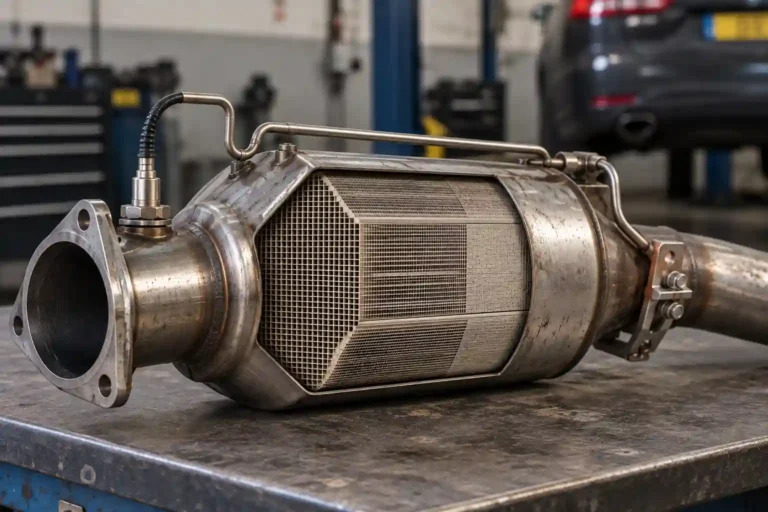
A DPF captures soot produced by a diesel engine rather than allowing most of it to leave through the exhaust. That soot cannot accumulate indefinitely, so the car periodically needs to burn it off. This cleaning process is called regeneration.
There are two main ways this happens.
Passive regeneration occurs when conditions in the exhaust are already suitable for soot to be oxidised, typically during sustained driving when exhaust temperatures are relatively high. It can happen without the driver noticing anything unusual.
Active regeneration is more deliberate. When the engine management system determines that the DPF needs cleaning, it changes how the engine and exhaust system operate to raise the temperature of the filter. One common method is additional or late fuel injection. The aim is to create the high temperatures needed to burn accumulated soot. The exact strategy varies between manufacturers and engines.
How can you tell when active regeneration is happening?
There isn’t one sign that applies to every diesel, and unhelpfully many cars don’t display a message when regeneration starts. Instead, you may notice a combination of changes:
- A different engine note – it may sound slightly deeper, rougher or simply different from normal.
- Higher idle speed – the engine may idle somewhat faster than usual.
- More cooling fan activity – the radiator fan may run faster or more often.
- Higher fuel consumption – instantaneous fuel economy may temporarily worsen.
- Stop/start unavailable – some cars disable automatic stop/start during regeneration.
- Different automatic gearbox behaviour – some cars may hold gears differently while regeneration is taking place.
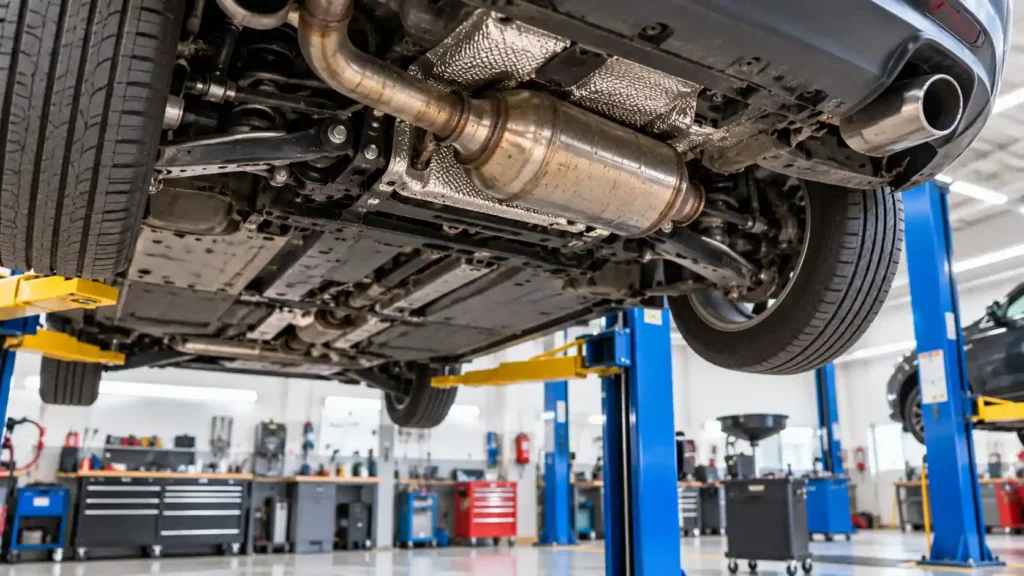
- More heat – you may notice unusually strong heat around the underside or exhaust.
- A hot smell – sometimes described as hot, metallic or slightly acrid.
- The fan continuing after stopping – the cooling fan may remain on after you have switched off the engine.
Bear in mind that many of these signs are not specific to active DPF regenerations, so they are better interpreted in combination, rather than in isolation.
If you notice a change in your engine behaviour then it is always better to speak with a qualified reputable mechanic; this article is merely a broad guide.
Should you keep driving if regeneration is happening?
If you recognise the signs while driving and it is practical to continue your journey, allowing the regeneration to finish is generally preferable to immediately switching the engine off.
You don’t need to thrash the engine or deliberately drive at very high revs. Normal sustained driving that allows the engine and exhaust to remain warm is generally more useful.
Don’t panic if you have switched the engine off during a regeneration. An occasional interrupted regeneration will not cause a problem, the car will try to resume the regeneration when conditions allow – either passively during sustained driving or actively once the present conditions for active regeneration are met.
The problem is when interruption becomes a pattern. Repeated short journeys can prevent the filter from getting enough opportunities to regenerate properly. This is one reason a diesel may be a poor choice for a car that spends nearly all its life making short, low-speed journeys.
Knowing when your DPF is regenerating can allow you to break the cycle of interrupted regenerations, potentially avoiding an expensive DPF clean or replacement.
What conditions are needed for active regeneration?
The car will normally only start an active regeneration when certain conditions are met. The exact requirements vary between manufacturers, but the engine management system will typically look for several things before allowing the process to begin.
These can include:
- The engine and coolant being up to normal operating temperature.
- Sufficient fuel in the tank – many cars will not start a regeneration if the fuel level is very low.
- The DPF having reached a predetermined level of soot loading.
- Suitable exhaust temperatures and driving conditions.
- No relevant engine or emissions-system faults that would prevent regeneration from operating safely or effectively.
This helps explain why repeated very short journeys can be troublesome. If the engine rarely reaches normal operating temperature, or a journey ends shortly after the conditions for regeneration are finally met, the car may repeatedly miss opportunities to complete the process.
There isn’t a universal minimum speed, engine speed, fuel level or journey length that applies to every diesel. The thresholds and regeneration strategy are determined by the individual vehicle’s engine management system.
What if my car seems to regenerate all the time?
Regeneration itself isn’t a fault. Very frequent regeneration, however, can be a sign that something needs attention.
If you start noticing the symptoms every few journeys, regeneration repeatedly appears to be interrupted, or a DPF or engine warning light appears, it is worth investigating rather than simply taking the car for progressively longer drives.
Frequent regeneration can result from a short-journey driving pattern, but faults elsewhere can also interfere with DPF operation or cause the engine to produce excessive soot. Problems with the fuel or EGR system, engine-management faults and issues with the sensors used to monitor the DPF can all affect how the system operates.
So if your diesel appears to be regenerating unusually often despite regularly completing longer journeys, simply driving it harder may not address the underlying problem.
The take home:
For most diesel drives, learning the normal operation of the DPF is enough. If the engine suddenly sounds different, fuel consumption rises and there is more heat or fan activity than usual, active regeneration may be underway. If practical, give the car the opportunity to finish.
If those regeneration attempts start happening increasingly often, that is the point to start asking why rather than simply trying to make the car regenerate again.