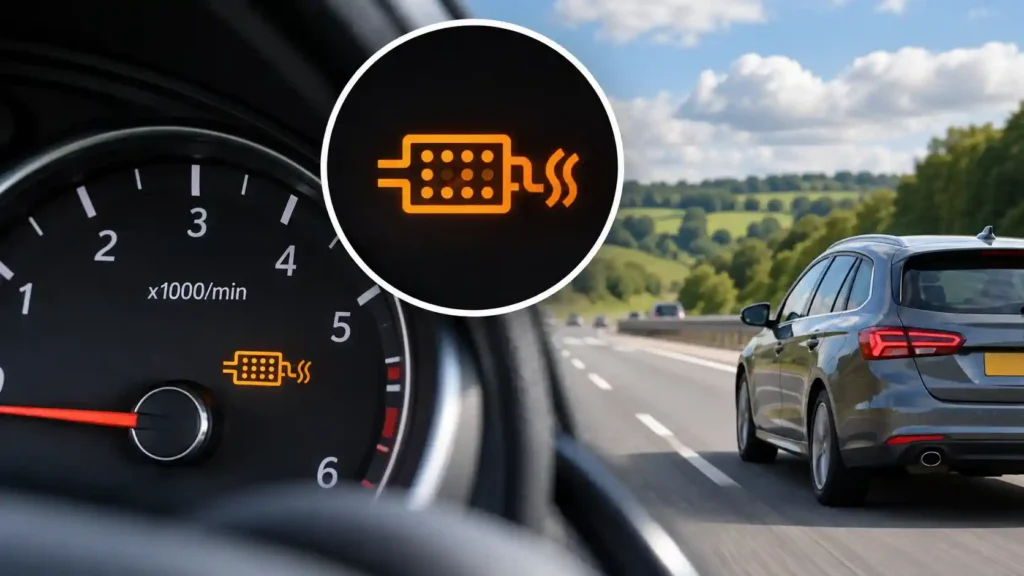
What to Do If Your Diesel DPF Warning Light Comes On
If your diesel particulate filter (DPF) warning light comes on, it doesn’t necessarily mean an expensive repair is needed. Often, the warning indicates that soot has built up inside the filter and the car has been unable to clear it through its normal cleaning process.
In some cases, a longer drive is enough to resolve the problem. In others, the filter may need professional cleaning or replacement which can be quite expensive.
The key is to understand and act on the warning to avoid making the problem worse.
1. What does the DPF warning light mean?
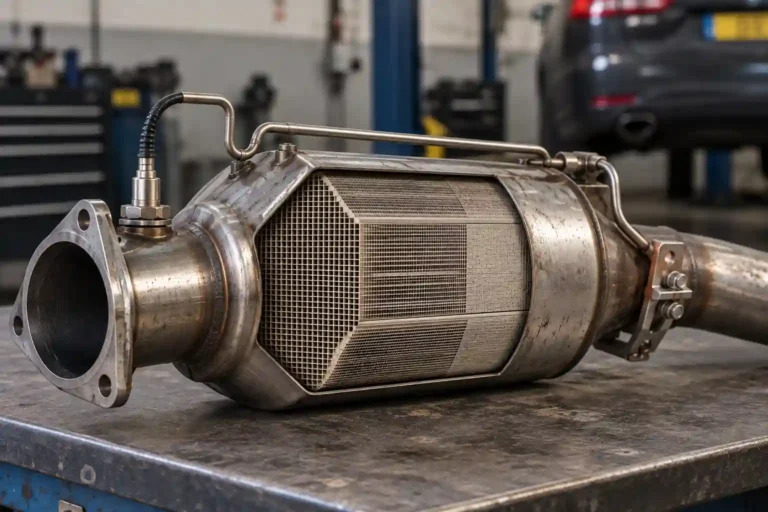
The DPF is designed to trap soot particles produced by diesel engines, preventing them from being released into the atmosphere. Periodically, the car burns off accumulated soot through a process called regeneration.
A DPF warning light usually means that soot accumulation has reached a level where the car needs assistance to complete regeneration, or that a fault is preventing the system from working properly.
Two substances can accumulate inside a DPF:
- Soot: Carbon particles produced during combustion. These can usually be burned off through regeneration.
- Ash: Non-combustible residue that gradually accumulates over the filter’s lifetime. Ordinary regeneration cannot remove it. Once the ash load has reached a certain threshold, the DPF requires a replacement
A warning light does not usually tell you which is responsible.
It’s also worth distinguishing a dedicated DPF warning from the general engine management light. The latter can indicate many different problems, including faults affecting the DPF system.
For more detail about the DPF itself, see below:
2. What should you do when the DPF warning appears?
If the warning is amber, the car is otherwise driving normally and the manufacturer’s handbook recommends it, the first step may be to give the car an opportunity to regenerate.
Many diesel cars need a sustained period of driving with the engine fully warmed up to complete this process.
A sensible approach is to:
- Check your vehicle handbook for the recommended procedure.
- Make sure there is sufficient fuel in the tank.
- Drive continuously on a suitable road, maintaining a steady speed and the engine speed specified by the manufacturer.
- Allow enough time for the process to finish, often around 15–30 minutes once suitable conditions are reached.
A motorway isn’t essential. A suitable A-road may provide the same opportunity, provided traffic conditions allow uninterrupted driving.
Avoid unnecessarily high engine speeds or aggressive acceleration. These do not automatically make regeneration more effective.
If a regeneration is able to start, you may notice changes in the sound and behaviour of the engine. For more information read below:
3. When should you not continue driving with a DPF warning light?
If the car has a red warning, is overheating, has severe loss of power, or is displaying additional serious faults, do not attempt to clear the warning through a prolonged drive. Stop safely and seek professional advice.
If the light remains illuminated after following the manufacturer’s instructions, don’t keep repeating long journeys in the hope that it will eventually disappear.
4. What if the DPF warning light stays on?
A persistent warning usually means the vehicle needs diagnostic investigation.
A garage can connect diagnostic equipment to examine the DPF system, including estimated soot loading, exhaust temperatures and pressure readings.
One important component is the differential pressure sensor. This measures the difference in exhaust pressure before and after the filter, helping the car assess how restricted it has become.
It I worth noting that a DPF warning isn’t always caused by the filter itself. The system is monitored by a number of sensors whose readings tell the ECU if the whole system is working correctly. If these sensors fail, they may trigger a DPF warning. Potential causes include faulty exhaust temperature or pressure sensors, an engine thermostat preventing normal operating temperature, or problems with the exhaust gas recirculation (EGR) system.
These faults may prevent successful regeneration even when the filter itself is still serviceable.
If the warning repeatedly returns, identifying the underlying cause is more useful than repeatedly clearing fault codes or paying for cleaning.
5. Can a garage clean a blocked DPF?
If driving hasn’t resolved the warning, a garage may be able to clean the filter without replacing it.
There are three main approaches:
- Forced regeneration: Using diagnostic equipment, a mechanic can instruct the vehicle to perform a regeneration under controlled conditions. This can burn off accumulated soot, but only if the filter isn’t excessively blocked and there are no faults making the procedure unsafe.
- Chemical cleaning: Some garages use specialist cleaning products introduced into the DPF while it remains fitted to the vehicle. These may help with certain deposits or blockages, although effectiveness varies and chemical cleaning cannot repair a damaged filter.
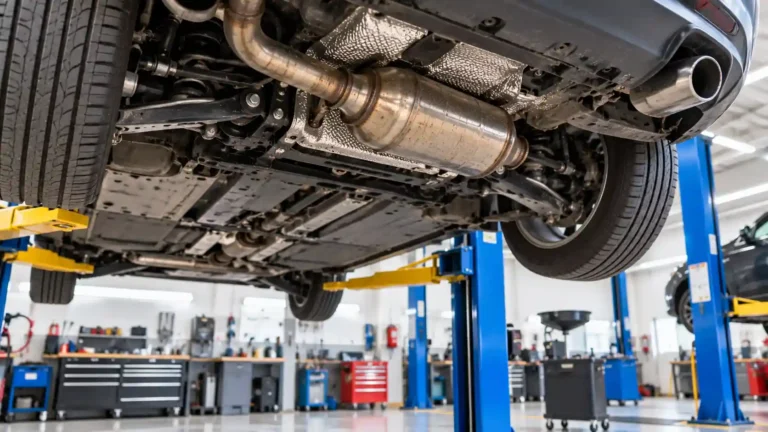
- Off-car professional cleaning: The DPF is removed and cleaned using specialist equipment. Depending on the process, this can remove soot and accumulated ash that ordinary regeneration cannot eliminate.
Whichever method is used, the garage should check that the filter is functioning correctly afterwards. Cleaning a DPF without addressing the fault that caused the blockage may only provide temporary relief.
6. When does a DPF need replacing?
DPFs are designed to last many years, but they don’t last forever.
Every regeneration burns away soot while leaving behind a small amount of non-combustible residue. Over time, this ash can accumulate and reduce the filter’s capacity.
Unlike soot, ash cannot simply be burned away. However, some professional off-car cleaning methods can remove a substantial amount of it, meaning replacement isn’t always necessary. Once ash has built up to a certain threshold and cannot be removed, then the DPF will require replacement.
A new DPF may also be required if the internal filter is cracked, melted, physically damaged or so heavily contaminated that cleaning cannot restore its function.
Removing the DPF is not a legitimate alternative. UK government guidance confirms that removing a factory-fitted DPF will result in an MOT failure and will almost invariably make the vehicle illegal for road use.
7. How much does DPF cleaning or replacement cost in the UK?
As with any car repair, costs vary considerably depending on the car, the severity of the blockage and the work required.
The following figures are broad estimates only, based on late 2026 prices in the UK taken from a variety of providers:
| Treatment | Approximate cost |
| Initial diagnostic inspection | £50–£120* |
| Garage forced regeneration | £85–£250 |
| On-car chemical cleaning | £100–£300* |
| Professional off-car cleaning | £200–£500 |
| DPF replacement, including parts and labour | £800–£4,000+ |
For example, a moderately blocked DPF that can be cleared through forced regeneration might cost around £100–£200. If the filter must be removed and professionally cleaned, the bill could rise to several hundred pounds.
At the other extreme, replacing a DPF on a modern premium diesel car can cost several thousand pounds, particularly where the filter forms part of a more complicated exhaust treatment system.
8. How can you prevent DPF problems?
If you have been hit with a hefty DPF bill, then you will want to know how to avoid the same problem occurring again.
The best prevention is allowing the DPF to carry out its normal regeneration process.
Frequent short journeys, particularly in stop-start traffic, can prevent the engine and exhaust from reaching the conditions needed for successful regeneration. This doesn’t mean every short journey will cause a problem, but drivers who rarely undertake longer trips are generally at greater risk.
Good maintenance is equally important. Use engine oil meeting the manufacturer’s specification, including the appropriate low-ash requirements, and investigate engine faults promptly.
There is no need to drive at unnecessarily high RPM or arrange regular paid DPF cleaning when the system is functioning correctly.
If the warning keeps returning despite suitable driving, have the underlying cause investigated rather than relying on repeated regeneration attempts.
For more information on how to keep your DPF healthy, see below: