
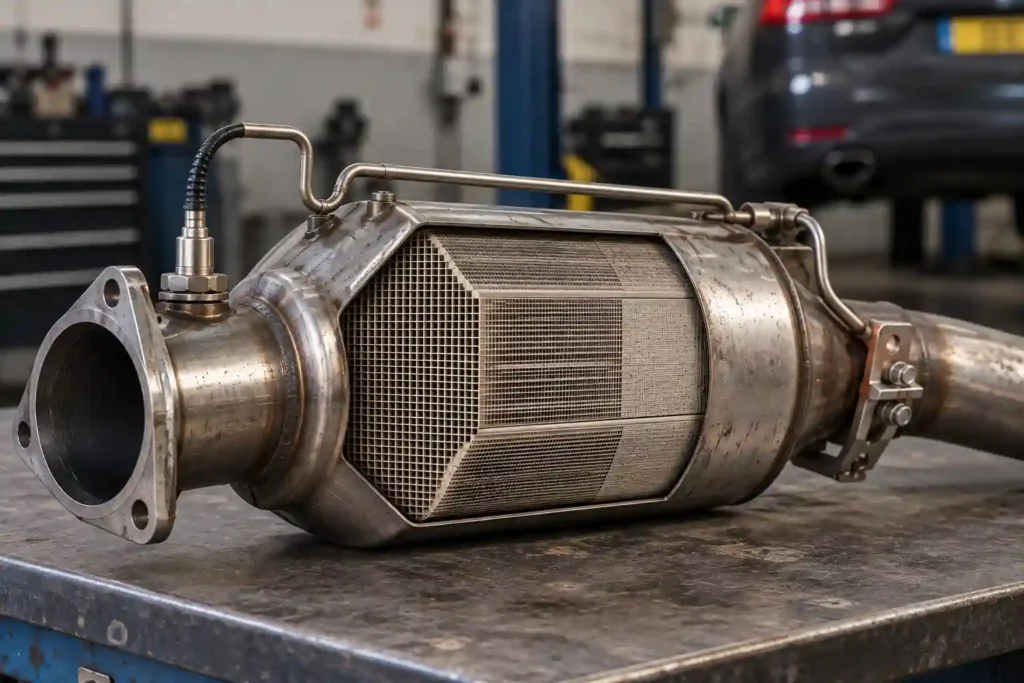
What is a Diesel Particulate Filter (DPF) and why you should know about them
Diesel Particulate Filters (DPFs): What They Do and How to Look After One
If you are considering buying a used diesel, the diesel particulate filter (DPF) is one component you need to understand.
DPFs have transformed diesel exhausts. They trap the soot that older diesel cars used to send straight into the atmosphere, dramatically reducing particulate emissions. The downside is that, as a diesel gets older, the DPF can become an expensive component to repair or replace.
What is a DPF?
A DPF is essentially a sophisticated filter fitted into the exhaust system. Exhaust gases can pass through its microscopic channels, while solid particles of soot are trapped inside.
This is important because fine particulate matter from combustion can be harmful to human health. DPFs were introduced as diesel emissions standards became increasingly strict. Euro 5 emission requirements, introduced for new vehicle types from 2009, effectively made DPFs commonplace on diesel cars.
What happens to the soot?
The filter cannot simply fill up indefinitely. The car therefore periodically regenerates the DPF.
During regeneration, the temperature of the exhaust is raised sufficiently to burn the accumulated soot, converting much of it into gases and leaving a small amount of residue. This can happen automatically when conditions are suitable, with the engine management system controlling the process.
Longer journeys at sustained speeds can help some vehicles achieve the temperatures required for regeneration. Some cars can also perform an active regeneration, deliberately increasing exhaust temperature when the filter reaches a particular loading.
This is why repeated short, low-speed journeys are particularly troublesome for diesel owners. If the car repeatedly interrupts regeneration, soot can accumulate faster than it can be removed.
How about ash?
Ash is an incombustible residue produced over the life of the vehicle, including from the engine oil and other materials. It gradually occupies space within the filter. Eventually, a DPF may therefore have a significant ash accumulation even if the car has been well maintained and successfully completed its regenerations.
This is one reason a high-mileage diesel can eventually need professional cleaning or replacement even if its owner has done everything correctly.
How do you know if a DPF is blocked?
Symptoms can include:
- A DPF warning light
- Loss of engine performance
- Increased fuel consumption
- Stop-start becoming unavailable
- Cooling fans running more frequently
- More frequent regeneration
- The engine entering a restricted or “limp-home” mode
Can you clear a blocked DPF?
This depends on the severity of the blockage…
1. Let the car regenerate
If the filter is only becoming loaded with soot and the car is otherwise healthy, allowing it to complete a regeneration may be all that is required.
Follow the manufacturer’s instructions rather than relying on a generic driving recipe. A longer, faster journey may help, but simply driving at high speed is not a guaranteed cure.
2. Professional cleaning
If normal regeneration isn’t clearing the problem, a garage may be able to carry out a forced regeneration or specialist DPF cleaning.
As an indication of current UK prices, Halfords currently advertises a DPF flush at £85, while the RAC says forced regeneration commonly costs around £100–£200. Actual prices vary considerably according to the vehicle and the nature of the blockage. (Halfords UK)
A proper diagnosis matters before spending money on cleaning. If the underlying problem is a faulty sensor, injector, EGR system or another engine fault, cleaning the filter without fixing the cause may simply lead to the problem returning.
3. Replace the DPF
If the filter is physically damaged, severely contaminated with ash or otherwise beyond effective cleaning, replacement may be necessary.
This is where an older diesel can become expensive. The RAC currently puts manufacturer-supplied replacement DPFs at approximately £1,000–£3,500, although aftermarket options and labour costs vary.
How to look after your DPF
Given the cost of cleaning or replacing a DPF, it makes sense to know how to care for your DPF.
The best DPF maintenance is largely about using the car appropriately.
- Don’t choose a diesel for a driving pattern consisting almost entirely of short journeys.
- Give the car regular opportunities to reach normal operating temperature and complete its regeneration cycles.
- Don’t ignore a DPF warning light.
- Keep the engine properly serviced.
- Use the correct low-ash engine oil specified by the manufacturer.
- Investigate recurring DPF problems rather than repeatedly forcing regenerations.
- Don’t have the DPF removed or tampered with.
DPF removal is illegal where a filter was fitted as standard, and a vehicle will fail its MOT if the tester finds evidence that the DPF has been removed or tampered with.