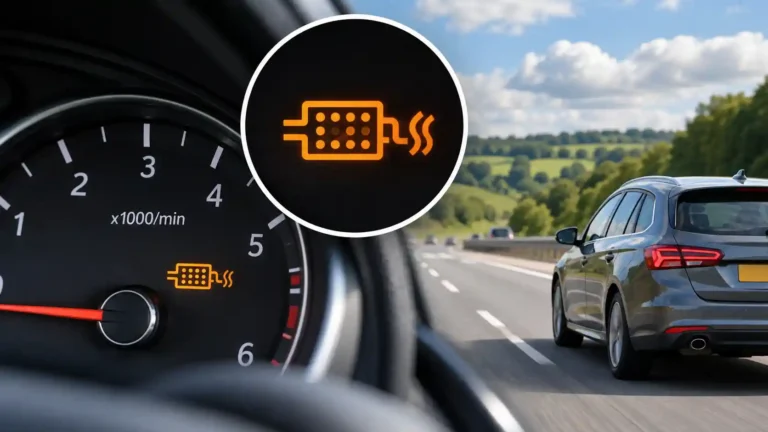

Is a 10-Mile Commute Too Short for a Diesel Car?
A modern diesel can be economical on longer journeys, but a daily 10-mile commute is often a poor match, particularly if it involves town driving, traffic and a cold start. Repeated short journeys can prevent the engine’s emissions systems from working as intended, increasing the risk of problems that may be very expensive to repair.
Why is a 10-mile commute a problem for a diesel?
Ten miles is not a universal cut-off, and the route matters. A steady journey on open roads is more favourable than ten miles of stop-start traffic. However, even a commute that includes a motorway may not allow the engine and exhaust to remain at the right temperatures for long enough.
Diesel engines are generally thermally efficient, meaning they convert a greater proportion of fuel energy into useful work and waste less as heat. Consequently, they can take longer to warm up than comparable petrol engines, particularly in cold weather or when lightly loaded.
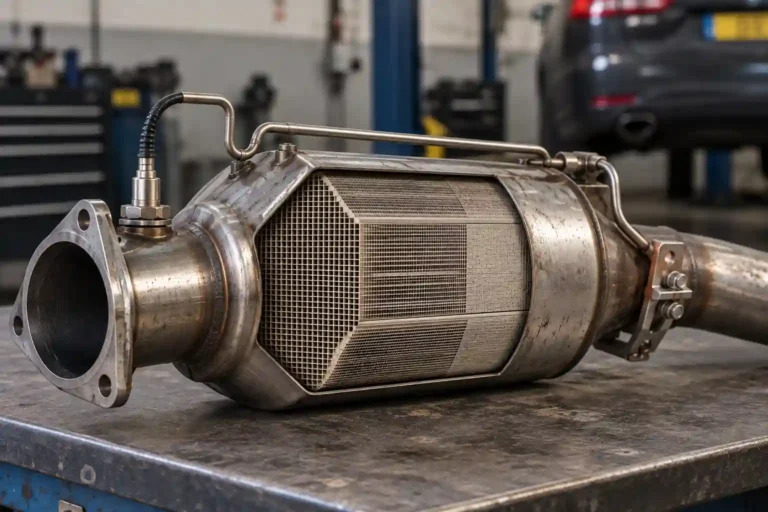
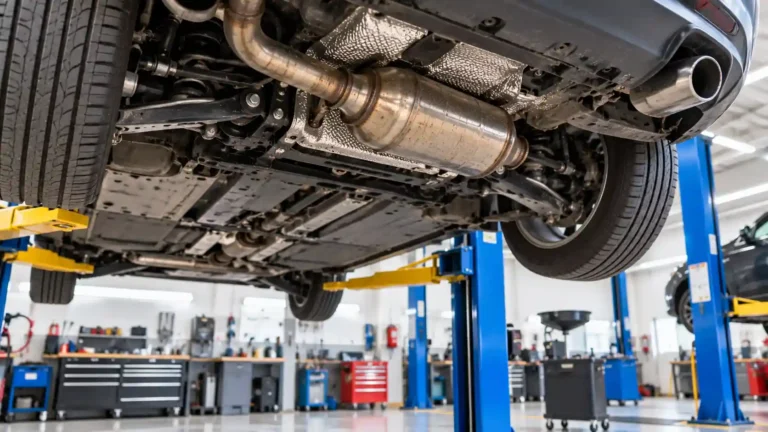
The exhaust system also needs to reach suitable temperatures. The coolant gauge reaching its normal position does not necessarily mean the exhaust is hot enough for the diesel particulate filter (DPF) to regenerate effectively.
How can short journeys cause DPF problems?
Repeated short journeys can make it harder for a DPF to regenerate successfully. Soot may accumulate faster than it can be burned off, eventually triggering a warning light, restricting engine performance or requiring professional cleaning. If the problem is ignored, replacement can be very expensive.
The car can attempt to clean the filter automatically by raising exhaust temperatures, a process known as active regeneration. Repeatedly switching off the engine before this process finishes can interrupt regeneration and increase the risk of a blocked filter.
Read more about DPFs below:
Can short journeys be harmful to engine oil and the EGR system also?
Unfortunately, yes they can. Repeatedly interrupted DPF regeneration can allow extra diesel fuel to enter the engine oil. This is because during an active regeneration, the engine is instructed to inject extra diesel into the cylinder at a later point in the combustion cycle. Tiny amounts of this diesel can remain unburnt and can adhere to the wall of the cylinders. This can eventually find its way into the engine oil. This is known as oil dilution and reduces the oil’s ability to protect moving engine components.
Repeated cold running can also prevent moisture and fuel from evaporating from the oil as they would during sustained operation at normal temperature.
Short journeys can contribute to soot and deposits accumulating in the exhaust gas recirculation (EGR) system and engine intake. The EGR system recirculates some exhaust gas to reduce nitrogen oxide emissions. Deposits can interfere with its operation and contribute to engine faults.
Repeated cold starts can also increase engine wear compared with running at normal operating temperature. These problems are not inevitable, but a diesel used predominantly for short journeys faces a greater risk of emissions-system and maintenance issues.
Will a longer drive every two weeks prevent DPF problems?
A regular, uninterrupted journey on an open road can help a DPF regenerate, provided the engine and exhaust reach suitable operating conditions.
A longer trip every fortnight may help, but it is not a guarantee. The result depends on the vehicle, its condition, driving conditions and whether regeneration completes successfully. Occasional longer journeys may not compensate for a routine dominated by short, cold trips.
Nor should a motorway journey be assumed to fix a filter that is already heavily blocked or has an underlying fault. Follow the vehicle handbook if a warning appears, and have persistent problems investigated rather than repeatedly trying to clear them yourself.
Should you buy a diesel if your commute is only 10 miles?
If most driving consists of a 10-mile commute, particularly through town, a petrol, full-hybrid or electric car may be more suitable.
- Petrol: Often a practical option for shorter journeys, without the same diesel-specific DPF regeneration concerns. Read more about petrol cars here
- Full hybrid: Can be particularly economical in urban traffic, where electric assistance reduces the amount of time the engine needs to run. It still has a combustion engine and requires routine maintenance.
- Electric: Avoids exhaust emissions systems altogether and can suit short commutes well, particularly where home charging is available. Purchase price, charging costs and longer-distance requirements still need consideration.
Explore different fuel types below:
Annual mileage matters, but the type of driving is just as important. Someone covering 8,000 miles a year on longer A-road and motorway journeys may be better suited to a diesel than someone covering 12,000 miles through short urban trips.
For a predominantly 10-mile commute, consider carefully whether a diesel suits your regular driving pattern. Repeated short journeys increase the risk of DPF and engine-oil problems, and occasional longer drives cannot guarantee that these will be avoided. Choosing an engine suited to your everyday use can help reduce the risk of unexpected repair bills.